



OpScore Rankings
Ranked by OpScore at Hall of Fame difficulty · updating

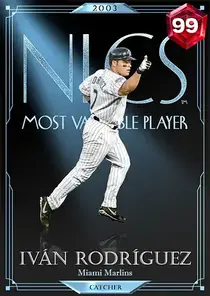

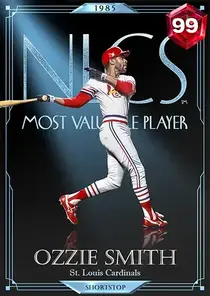
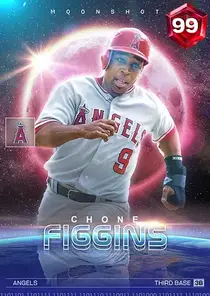
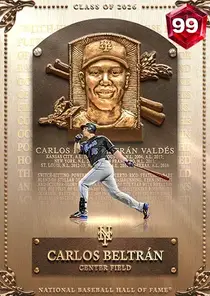
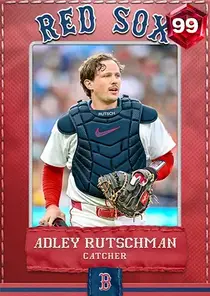
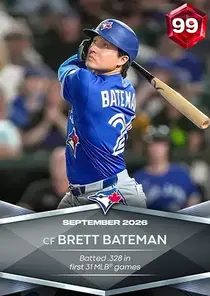
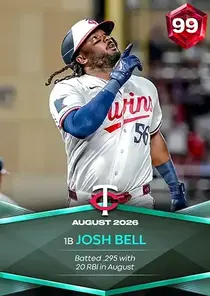
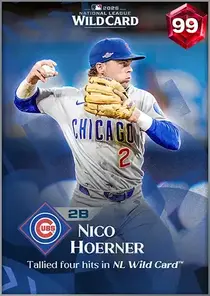
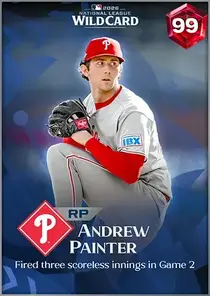
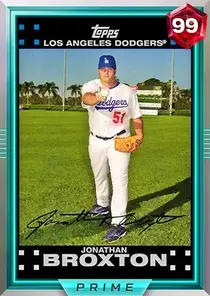
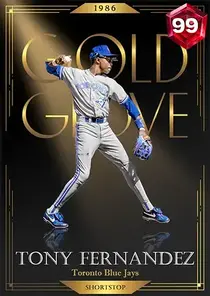



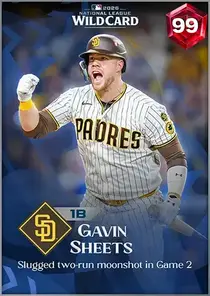
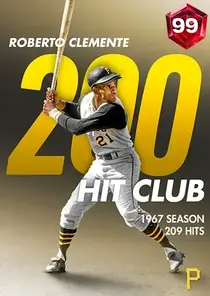
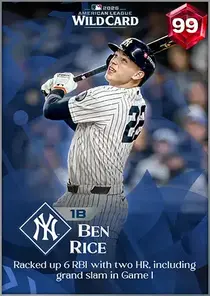
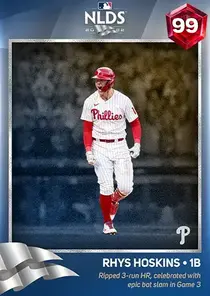
Rankings by position
Every position is its own ranked page — the full OpScore order for that slot, at each difficulty.
- Best Catchersframing-adjacent defence, arm strength, and the plate skills that survive a full-season grind
- Best First Basementhe position where raw power is cheapest to buy and OpScore separates real hitters from big Overalls
- Best Second Basemencontact, speed, and the secondary-eligibility depth that makes this the easiest hole to fill cheaply
- Best Third Basemenpower plus a reaction-speed floor — the hot corner punishes cards that only hit
- Best Shortstopsthe deepest infield pool in the game, and the position where OpScore most often disagrees with price
- Best Left Fieldersa bat-first corner where defence costs least, so the ranking is almost purely about hitting
- Best Center Fieldersspeed and range gate the position — a great bat that cannot cover center ranks below a lesser one that can
- Best Right Fieldersarm strength earns its keep here, and the best values are often center fielders with RF eligibility
- Best Designated Hitterspure offence, no defensive discount — the cleanest read on which bat actually scores runs
- Best Starting Pitchersarsenal quality over velocity — the out-pitch and the third offering decide games, not the radar gun
- Best Relief Pitchersone dominant out-pitch beats a balanced arsenal in short outings, which is why RP ranks read differently
- Best Closing Pitchersthe shortest workload in the game, so pure stuff wins — stamina is nearly free to ignore
How to read the rankings
A card’s in-game Overall is a single number that never changes with difficulty, and one number gets less useful the higher you climb. OpScore re-weights the attributes that actually win games — plate vision and discipline, the right kind of power, the pitches that miss bats — and recomputes the score for each difficulty. The OpScore for All-Star is not the OpScore for Legend, because the inputs that decide an at-bat change as the CPU gets harder.
So these rankings answer the real question: which card plays best at the level you grind? Pick your position and difficulty, then read down the OpScore order — the card on top is the best performer, which is frequently a cheaper card than the headline name.
The edge lives in the gap between OpScore and price. The market pays for big names and a high Overall; OpScore pays for what wins games. Every time those disagree — an 88 that out-performs a 92 on Legend, priced like an 88 — there’s value the market hasn’t caught up to yet.
Rankings questions
Why does the same card have a different OpScore at each difficulty?
Because the game itself plays differently. On All-Star, contact and raw power carry at-bats; on Hall of Fame and Legend, pitch speeds climb and windows shrink, so plate vision, discipline, and out-pitch quality decide far more outcomes. OpScore re-weights those inputs per difficulty, which is why a card can rank top-three on All-Star and fall out of the top ten on Legend — it is the same card, measured against a harder game.
Why is an 88-overall ranked above a 92 here?
Overall is one number for the whole card and never changes with difficulty. A closer’s stamina and a slugger’s bunting sit in the same attribute list as the things that decide at-bats. OpScore ignores dead weight and scores what wins games at your difficulty. When a lower-Overall card sits higher, its usable attributes are simply better — and because the market prices the headline Overall, that card is usually cheaper too.
Which difficulty should I rank by?
The one you actually play. Ranked seasons players should read Hall of Fame or Legend; conquest and mini-seasons grinders are usually best served by All-Star. If you split time, check both — cards that hold a top rank across difficulties are the safest investments because every kind of player wants them.
What does “include secondary positions” change?
With it on, a card appears at every position it can legally play, not just its primary one. That matters when you’re filling a weak position: the best available “second baseman” is sometimes a shortstop with 2B as a secondary, and the toggle is how you find him.
How current are these rankings?
Rankings recompute whenever card ratings change — roster updates, new series drops, and live-content additions all land automatically. Prices shown alongside the rankings follow the market feed, so the value comparison (OpScore vs price) reflects the current market, not launch-day numbers.