



Hot Flips
What is actually changing hands right now — ranked by profit per hour, not margin. A 50k spread on a card nobody buys earns you nothing.
| Card | OVR | Buy Now | Sell Order | Profitⓘ | Vol/hrⓘ | Sales 24hⓘ | Profit/hrⓘ |
|---|---|---|---|---|---|---|---|
 | Red Diamond99 | 148,499 | 122,222 | +11,425 | 50.1 | 1,202 | 572,202 |
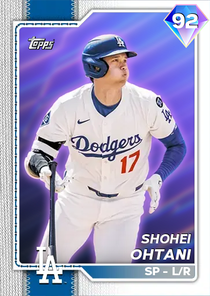 | Red Diamond95 | 565,980 | 475,223 | +34,157 | 14.8 | 356 | 506,662 |
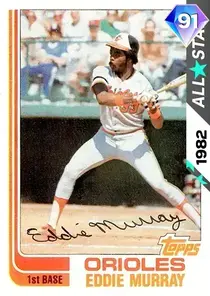 | Diamond91 | 102,442 | 60,003 | +32,192 | 14.3 | 344 | 461,419 |
 | Red Diamond99 | 99,990 | 84,850 | +5,139 | 81.4 | 1,953 | 418,186 |
 | Diamond88 | 52,686 | 36,559 | +10,856 | 31.9 | 765 | 346,035 |
 | Red Diamond99 | 128,000 | 93,116 | +22,082 | 13.4 | 321 | 295,347 |
 | Red Diamond99 | 97,900 | 81,001 | +7,107 | 41.1 | 986 | 291,979 |
 | Red Diamond99 | 41,997 | 31,511 | +6,284 | 42.9 | 1,029 | 269,427 |
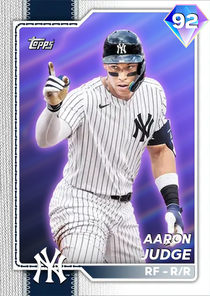 | Diamond93 | 405,205 | 348,500 | +16,182 | 16.0 | 385 | 259,586 |
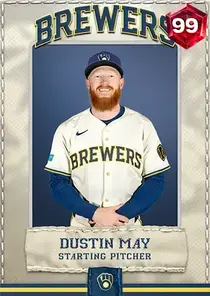 | Red Diamond99 | 65,000 | 50,200 | +8,298 | 29.6 | 711 | 245,828 |
Why profit per hour beats profit per flip
Most flip lists rank by margin — how many stubs you make on one sale. That number is easy to compute and quietly misleading, because it says nothing about whether the card actually sells. A 50,000-stub spread on a card that trades twice a day is worth less than a 2,000-stub spread on a card that trades sixty times, and the margin column will tell you the opposite.
This board ranks by profit per hour: flip margin multiplied by measured sales velocity. Both halves matter. Velocity comes from completed orders — cards that genuinely changed hands over the last 24 hours — not from an estimated fill time. A card only appears here once it has real sales behind it, which is why the board is short: most of the market simply is not moving at any given moment.
Read it as a work queue, not a shopping list. The top rows are where your stubs turn over fastest, so they are where a limited bankroll compounds. Cross-check the buy and sell prices before committing — a hot card can still be a bad entry if you buy at the top of its range.
Hot Flips questions
How is this different from the Flips page?
Flips ranks every opportunity by profit after tax — it answers “what is the biggest margin available?” Hot Flips answers a different question: “what is actually selling?” It only lists cards with measured sales behind them and ranks by profit per hour, so a huge margin on an illiquid card will not appear near the top here even though it dominates a margin-sorted list.
Why is a card I expected to see missing?
A card only enters this board once it has recent completed sales. If it is not trading, it has no velocity, and no profit-per-hour can be computed for it — so it is absent rather than shown as zero. An empty or short board is not a bug; it means the market is quiet right now.
Is the velocity an estimate?
No. Sales per hour is derived from actual completed orders over the last 24 hours — for every tier. The same is true of the Profit/Min column on the Flips page: it is measured from real sales whenever the card has traded recently, and falls back to an estimate from the typical fill time for that price range only on cards with no recent sales. That fallback is a property of the card, not of your subscription.
Is any of this behind a paywall?
No. Every number on this board — profit per hour, sales per hour, 24-hour volume — is free, at the same 60-second freshness, for every signed-in account. We are not going to charge you for a column our free competitors already publish. Pro adds the ability to filter the board server-side by minimum profit per hour and minimum volume, which matters once you are working it daily. Signed-out visitors see the top ten on a 15-minute refresh; sign in free and the full board is yours.